
By Judges
IN THIS LESSON
The “Ask the Judge” was a feature in the Dutch Reporter started in 2006 and ending in 2010. It was an avenue where a member could ask questions and get advice from the professionals in our organization. The questions could range from judging criteria, presentation on the show table, what it takes to become a judge, and proper etiquette as a few examples. . It was an opportunity to get a lot of viewpoints from across the country!
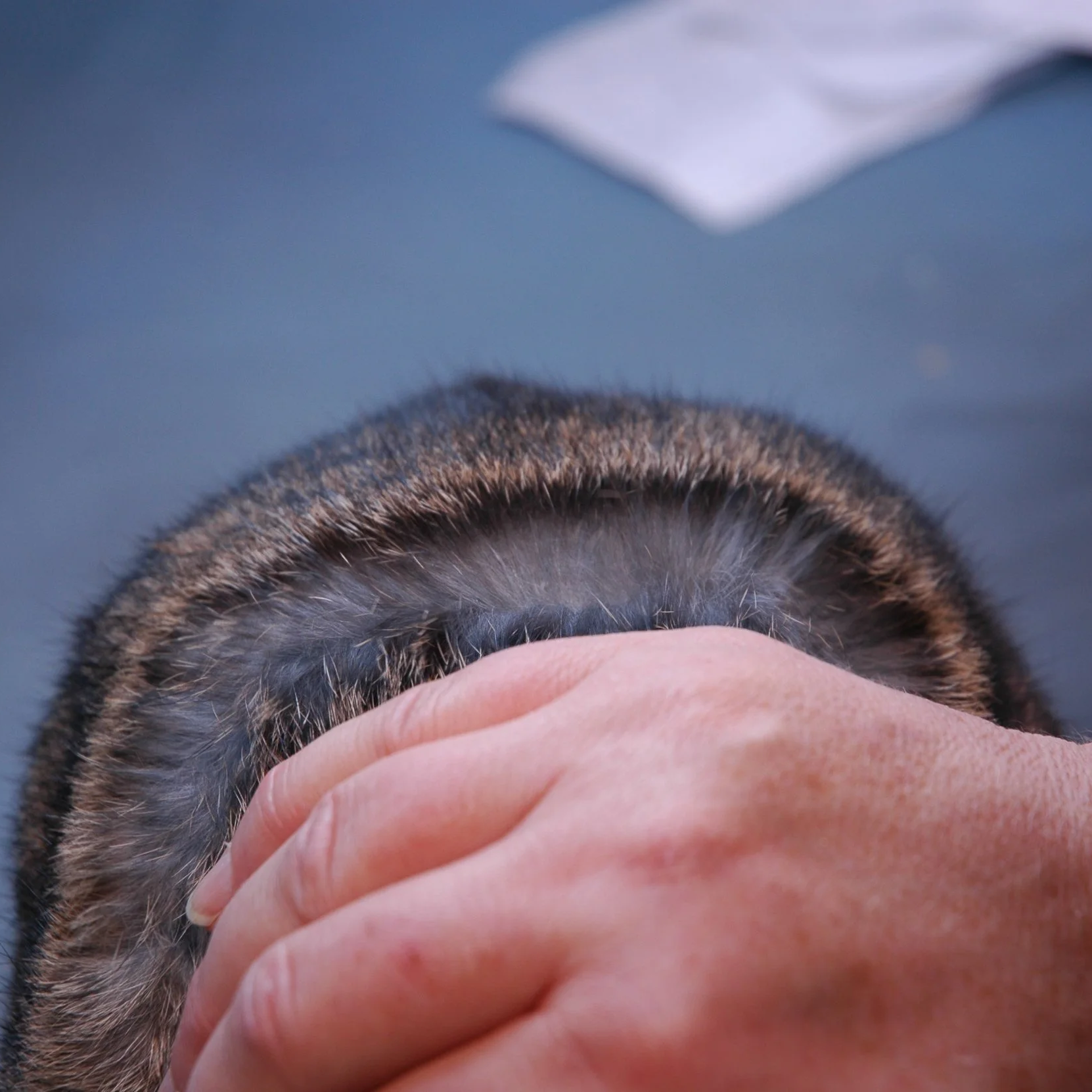
Placing Rabbits with incorrect Color
In recent months I have seen Dutch placed that are chocolate torts, steels with ring color, and grays without ring color. Do you have any suggestions on how to improve the knowledge of judges who consistently place animals that should be disqualified according to the Standard of Perfection?
Written in the 2010 Jan/Feb/March issue of the Dutch Reporter
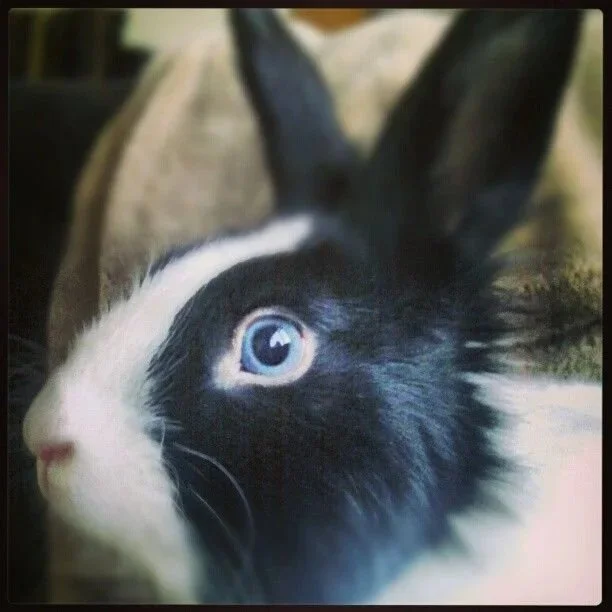
Proper Eye Color
I have seen a wide variety of eye color in blues and chocolates, what do you consider too light?
Written in the 2009 Oct/Nov/Dec issue of the Dutch Reporter
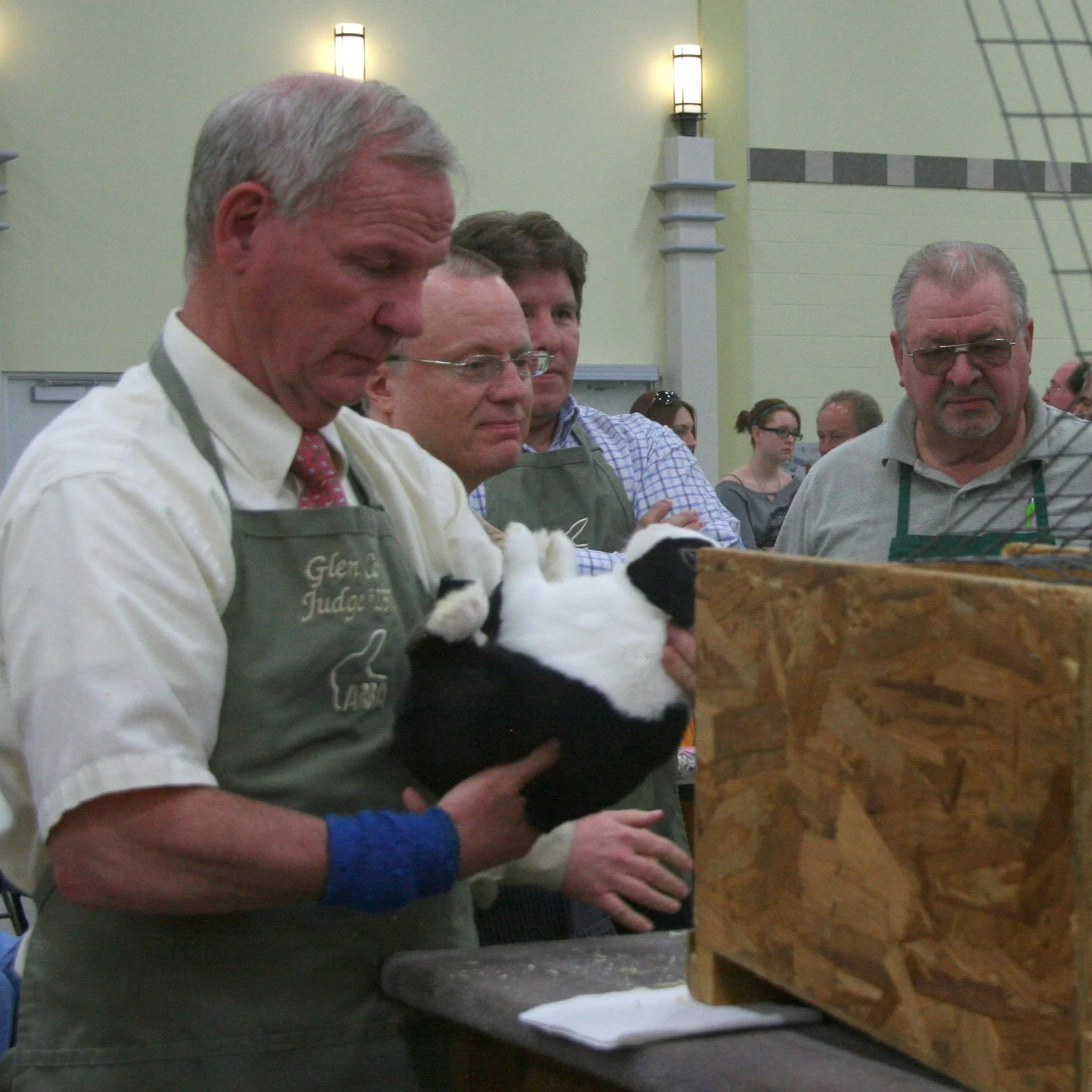
Talking at the Judge’s Table
A member mentioned a bit of frustration while a class was being judged and people were chitchatting at length with the judge. Can the judge fairly view the rabbit while holding a conversation? On the other hand, some judges stop judging to hold conversations of several minutes in length, thereby creating delays in judging the classes. As a judge, how do you handle it when someone wants to talk to you while you are judging a class, or even if you wish to talk to someone? And, can you fairly evaluate the rabbits if you are holding a conversation?
Written in the 2009 July/Aug/Sept issue of the Dutch Reporter
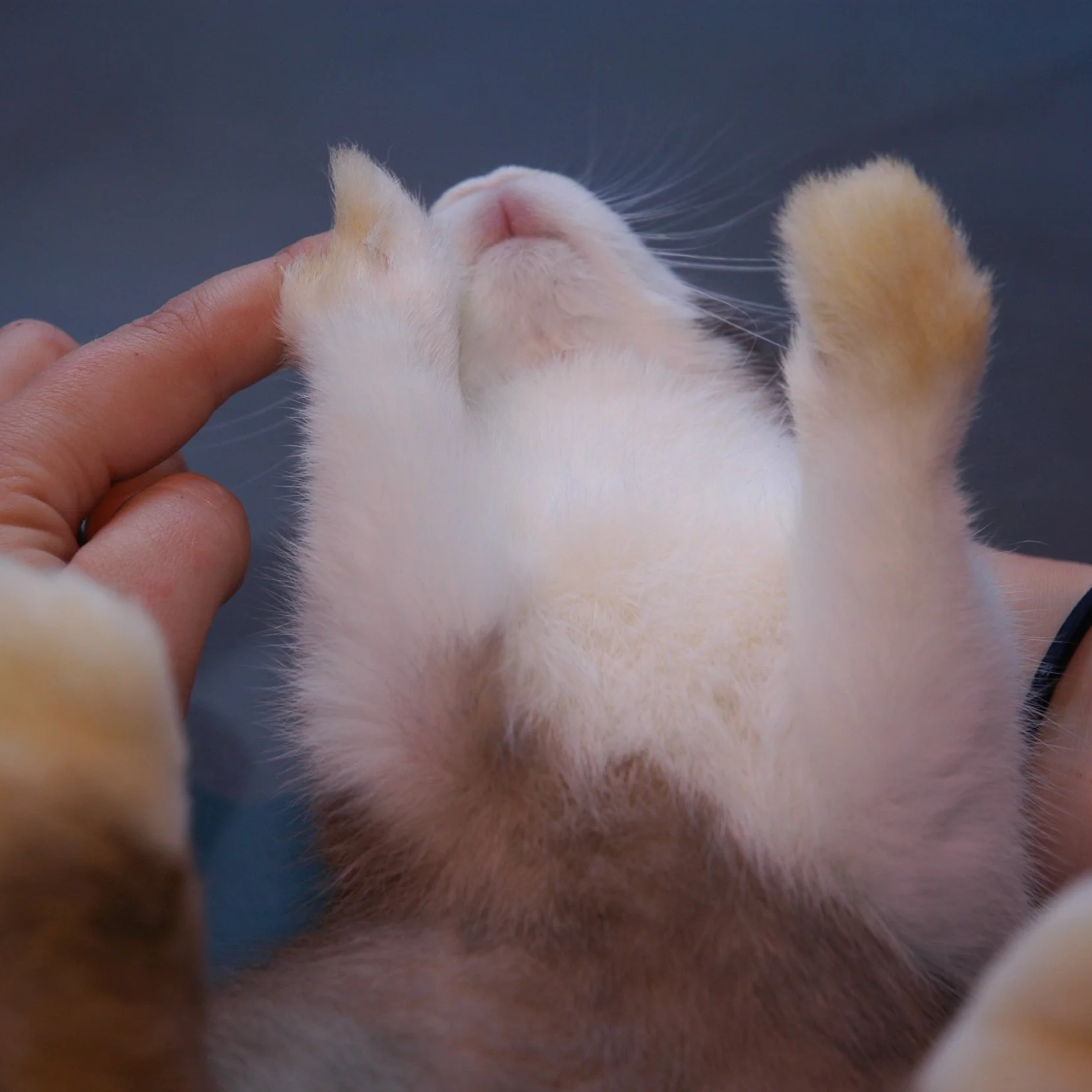
Tied Elbow
What is the proper way to determine if a rabbit has a tied elbow?
Written in the 2009 April/May/June issue of the Dutch Reporter
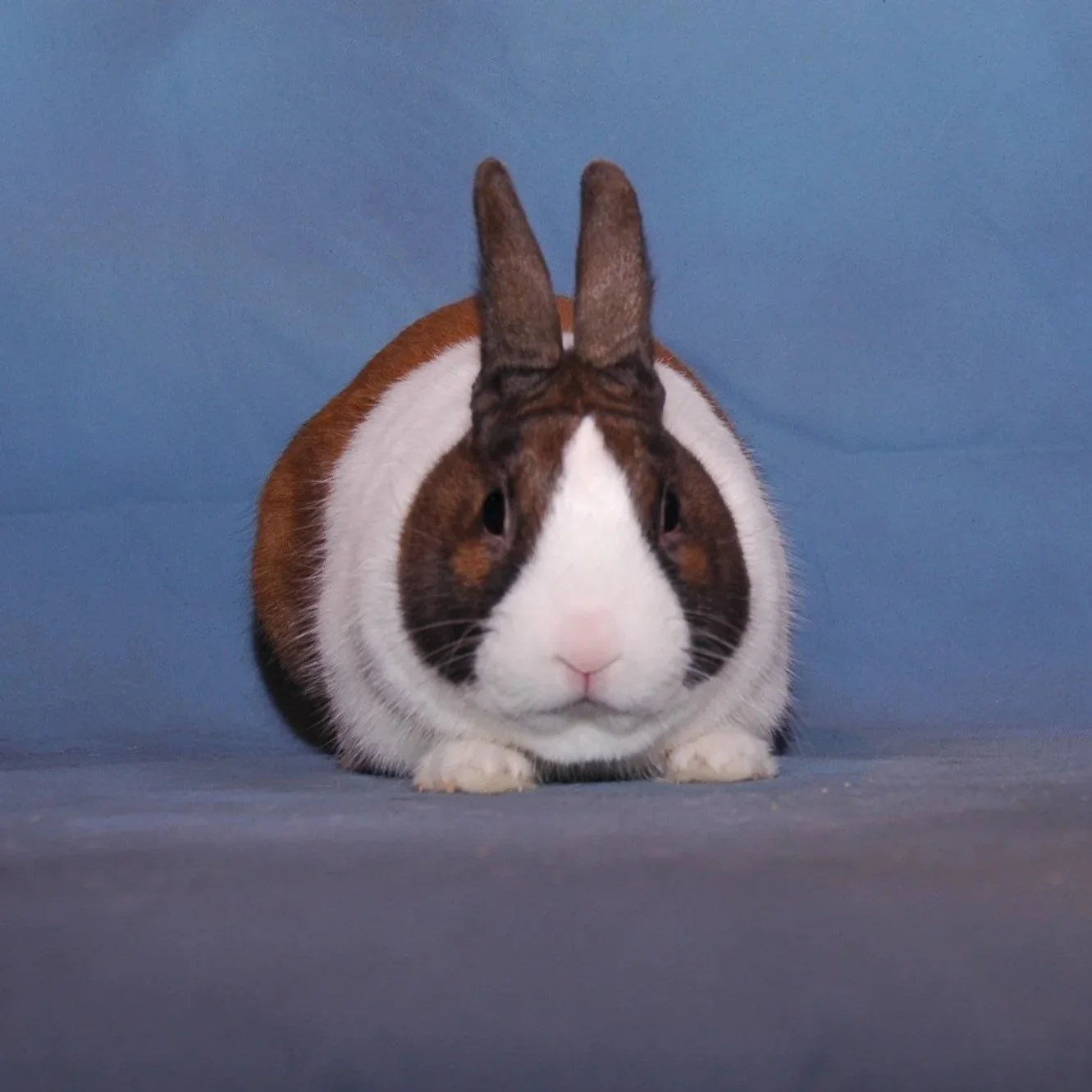
Ear Carriage
At the 2008 ARBA Convention, one of the judges commented on the ears of every rabbit. He discussed length, whether they had thin or well furred ears, and if the ears had good or poor carriage. Could you please define what is good and poor ear carriage?
Printed in the 2009 Jan/Feb/March issue of the Dutch Reporter
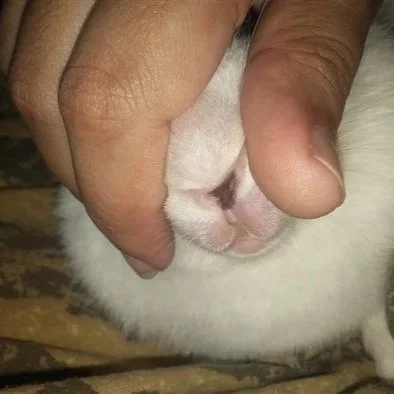
Spot in Nose
I had a rabbit disqualified once for a spot in the nose. This rabbit had been shown before and after this disqualification without the mark being discussed. To see the mark, one has to pull the nostrils apart. I agree it is a spot, but the Standard of Perfection states that the "spot or spots must be plainly visible". At what point should a rabbit be disqualified for a spot on the nose or lips?
Printed in the 2008 Oct/Nov/Dec issue of the Dutch Reporter
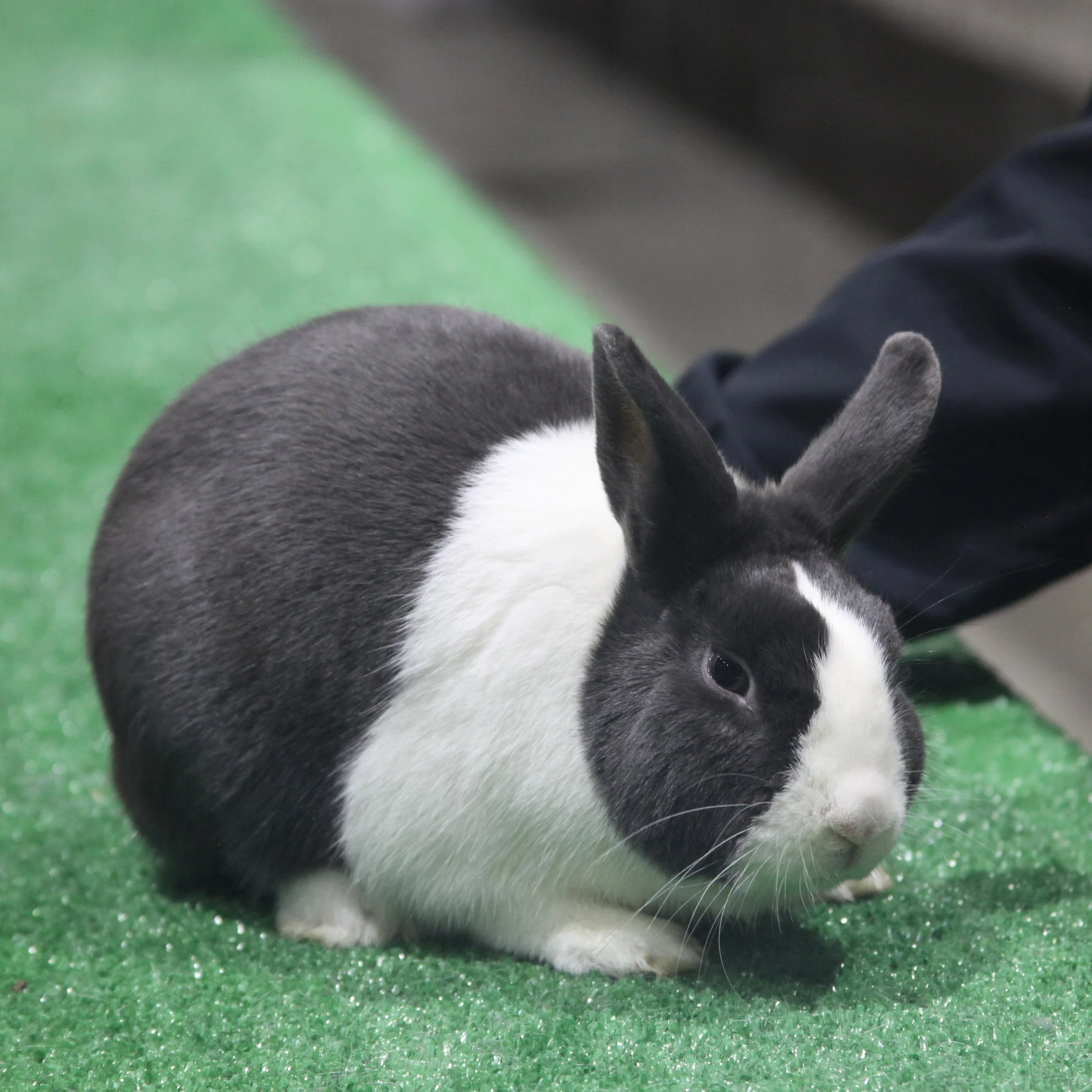
Type Vs Markings
Even though the standard of perfection awards 25 points to type and 50 points to markings, when it comes down to your decision, would a poorly typed, but exceptionally well-marked Dutch beat an exceptionally-typed rabbit with a few marking flaws? And on the subject of markings, if two animals are equal in type, would a rabbit with a couple of minor marking flaws or one major flaw do better on the table?
Written in the 2008 July/Aug/Sept issue of the Dutch Reporter
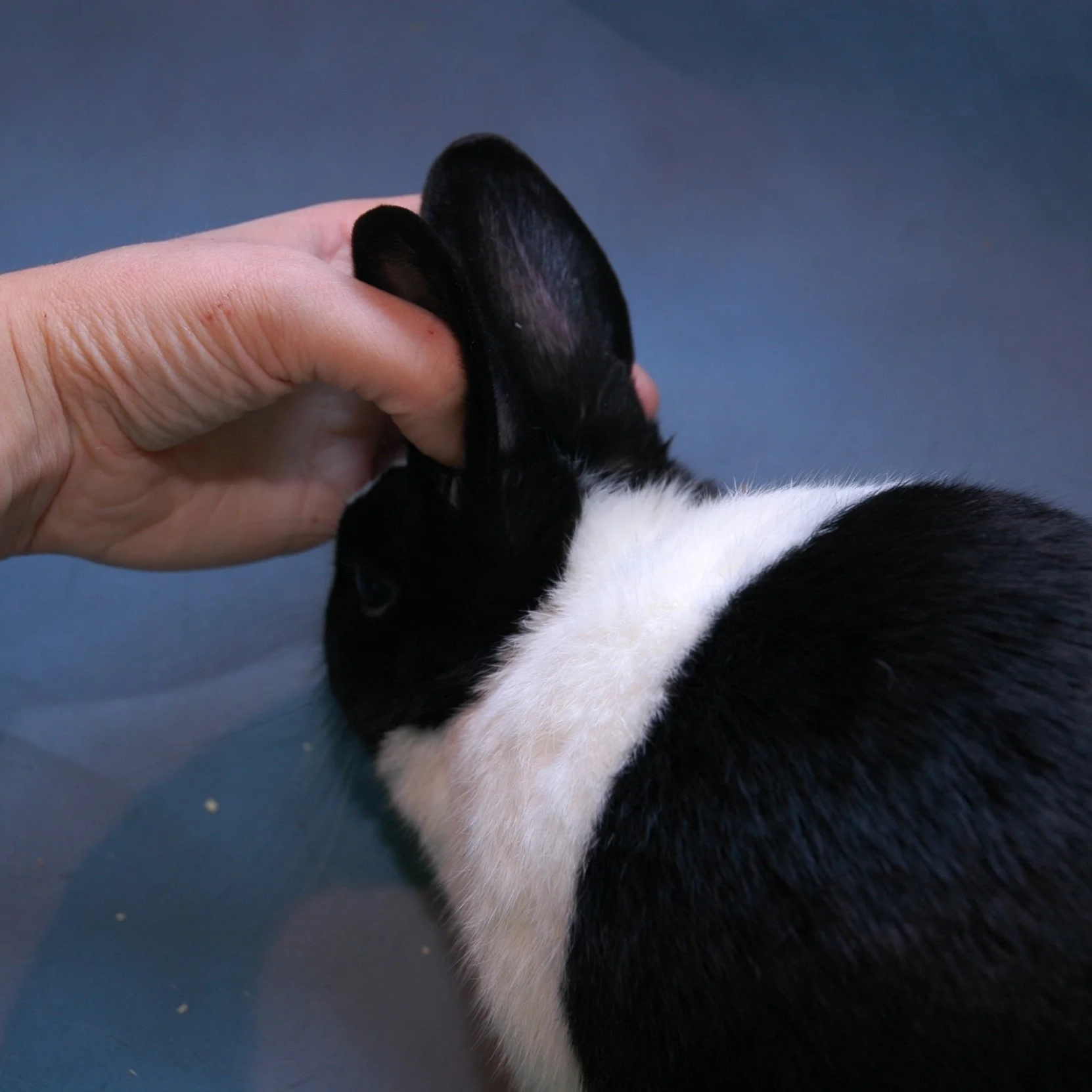
Judging Neck Markings
What is the proper way to examine the neck marking? It seems that there are a number of different techniques that judges use to check the neck marking, including pulling the ears apart, blowing into it and brushing the fur down etc. Please describe the proper way to evaluate this marking.
Written in the 2008 April/May/June issue of the Dutch Reporter
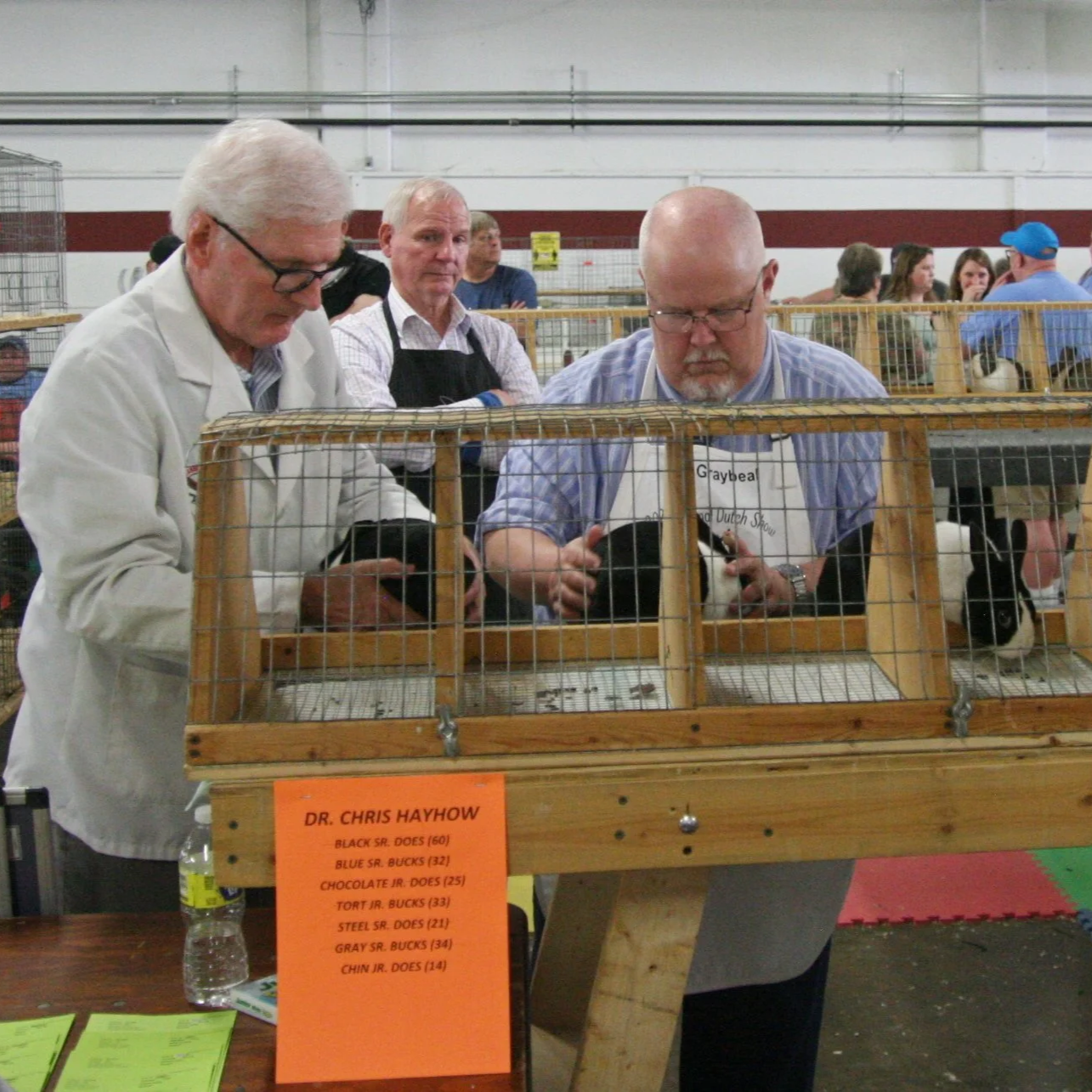
Training Judges on Marked Breeds
Could you discuss the current method of training judges, specifically concerning the marked breeds?
Written in the 2008 Jan/Feb/March issue of the Dutch Reporter
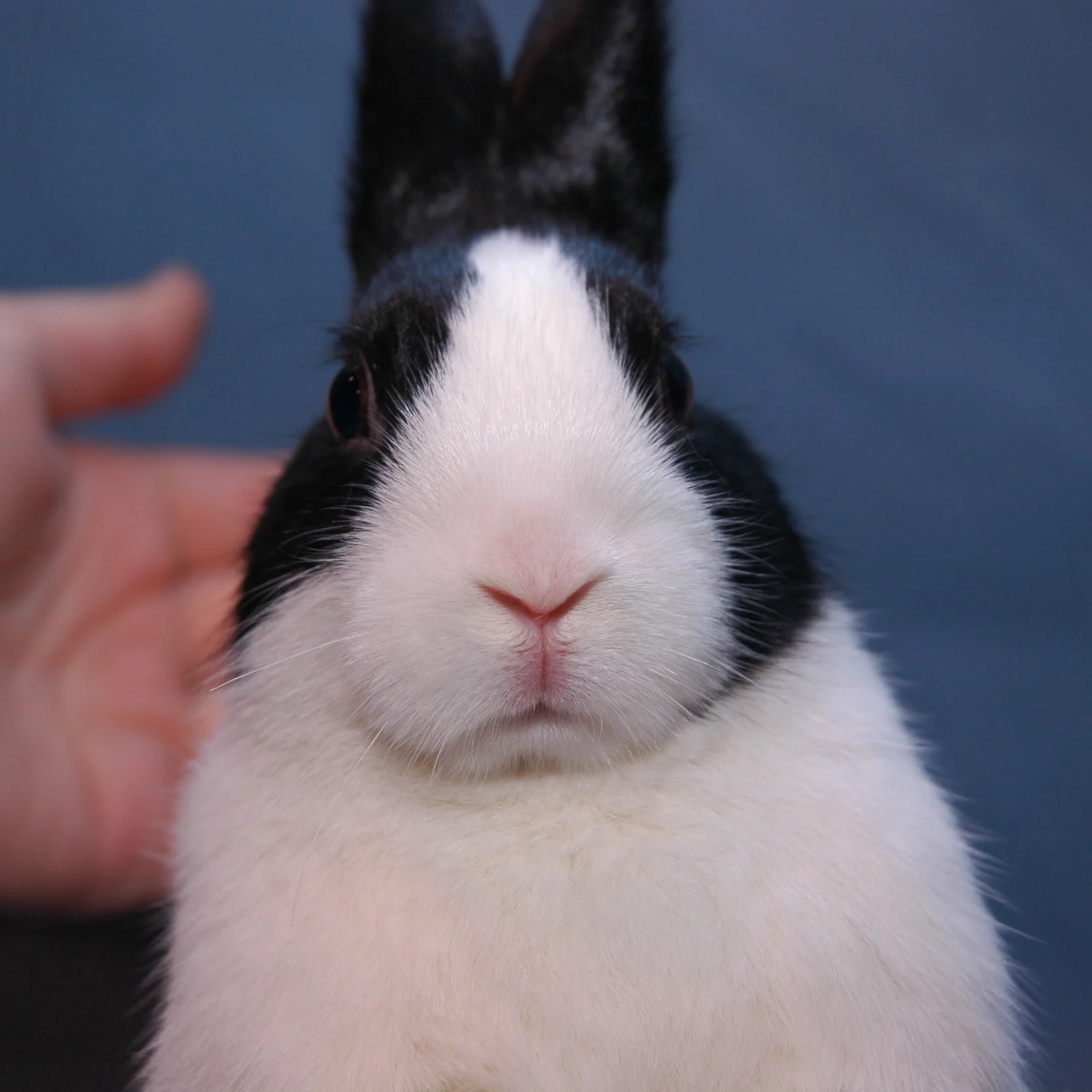
Cheek Faults
Cheeks are worth 12 points, could you explain how you break down the point schedule that you use? For instance, if the rabbit has one good cheek and one bad cheek, do you give 6 points for the good cheek and maybe 2 points for the bad one, or deduct a certain amount from total score? Do you evenly fault high cheeks and low cheeks, or is one fault more penalized than the other? How much do you fault drags into the mouth? If the cheeks are even, but high or low, do you penalize that less?
Printed in the 2008 July/Aug/Sept issue of the Dutch Reporter

Big vs Small Dutch
Some people feel type is just about size and larger rabbits have a better chance on winning over the smaller ones. As a judge, could you give your thoughts on this issue?
Printed in the 2007 July/Aug/Sept issue of the Dutch Reporter

One Judge vs More to judge BIS
When it comes time to judge BIS, some clubs pick one judge to decide, some choose two, and I have even seen three judges picked to make this decision. Since several judges are at the show, it would make sense to use more than one. From the judge's standpoint, what is preferred?
Printed in the 2007 April/May/June issue of the Dutch Reporter
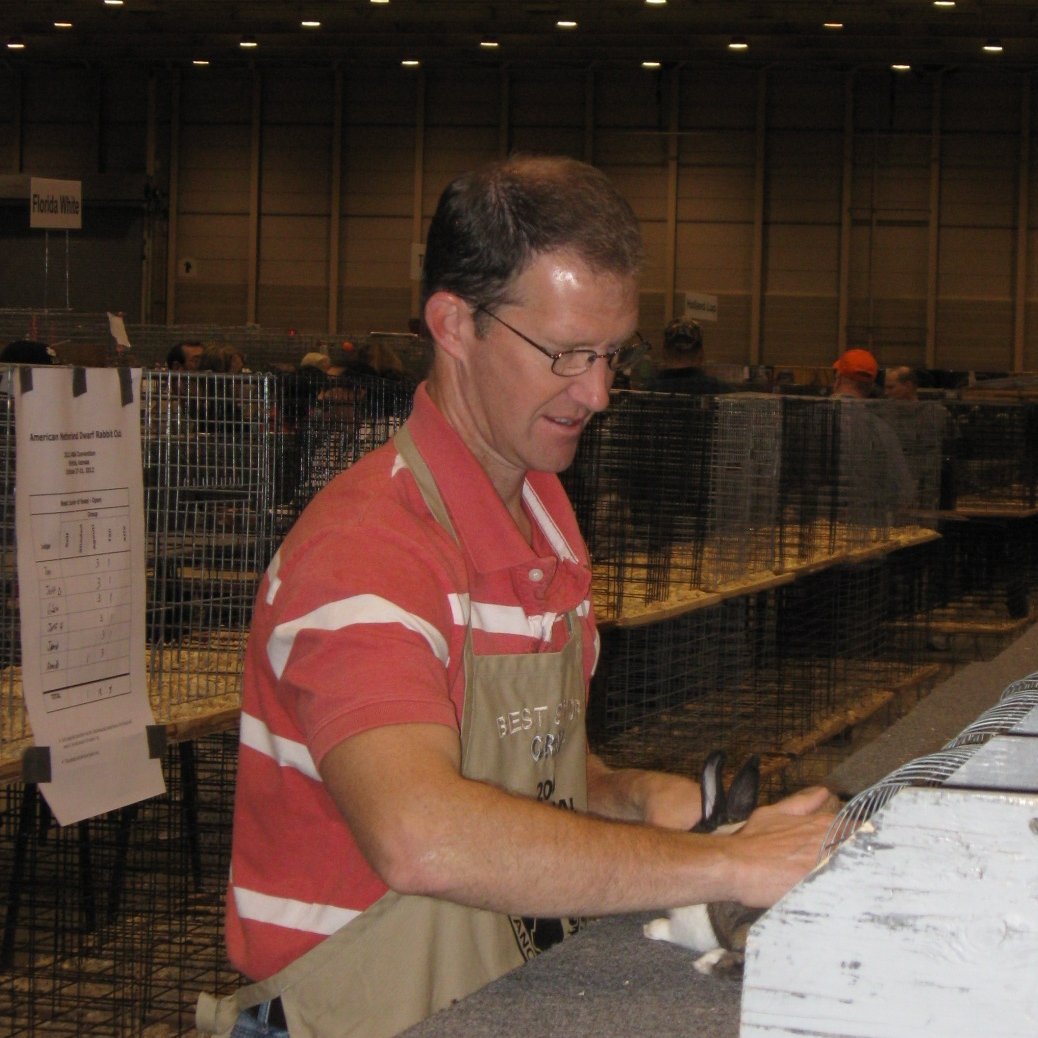
Problems with Rabbits in the Holding Cages
When rabbits are placed in the holding cages behind the judge's table, I have seen instances of the rabbits getting injured by animals next to them. If a rabbit is placed beside an aggressive animal, would it be appropriate to ask to place my animal in a carrying cage until it is time for BOB?
Written in the 2007 Jan/Feb/March issue of the Dutch Reporter
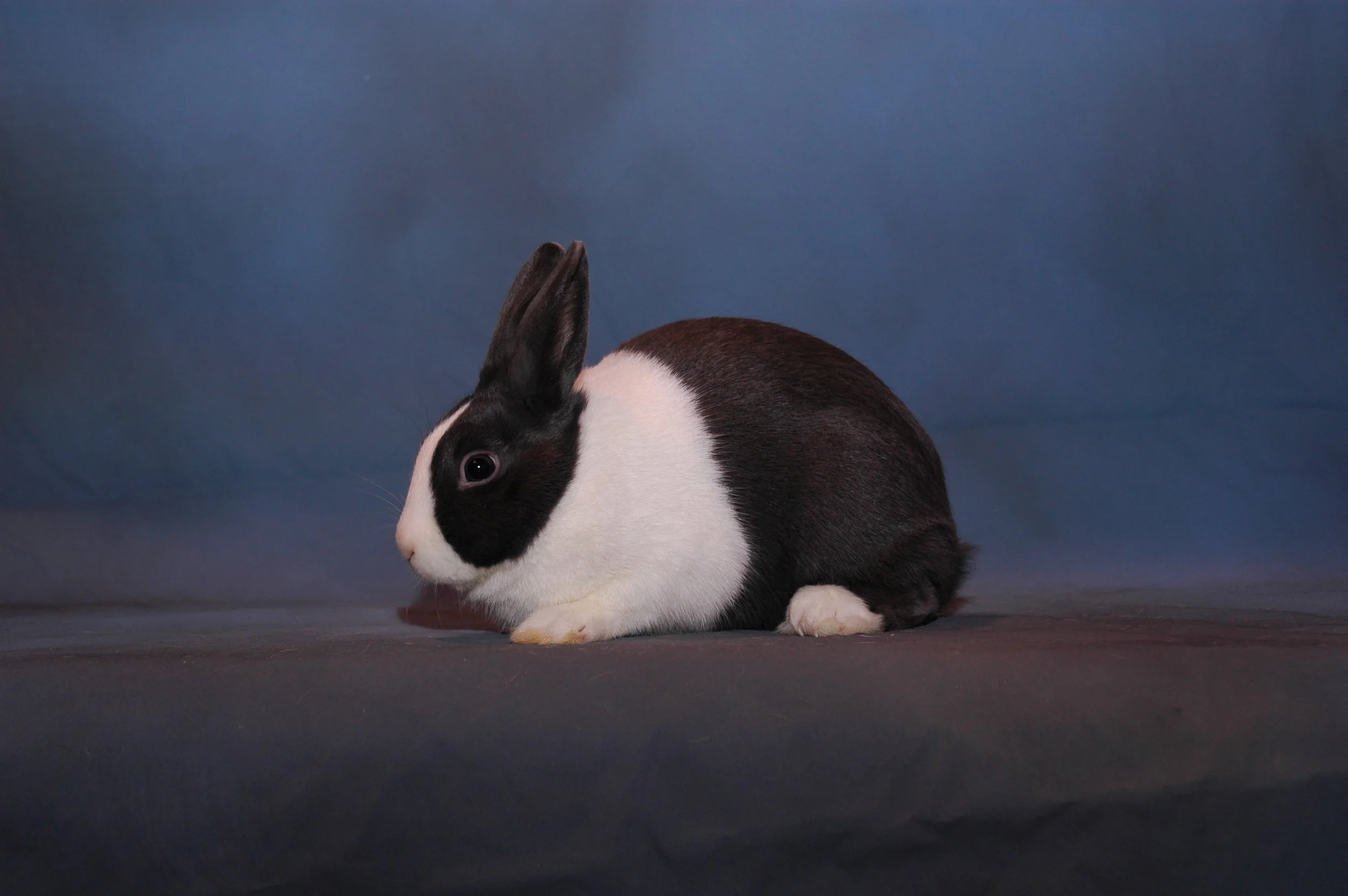
Mature Junior
If a junior matures early, is it better to move it up to the senior class? Do you fault a rabbit in a junior class if it looks like a senior?
Written in the 2006 Oct/Nov/Dec issue of the Dutch Reporter
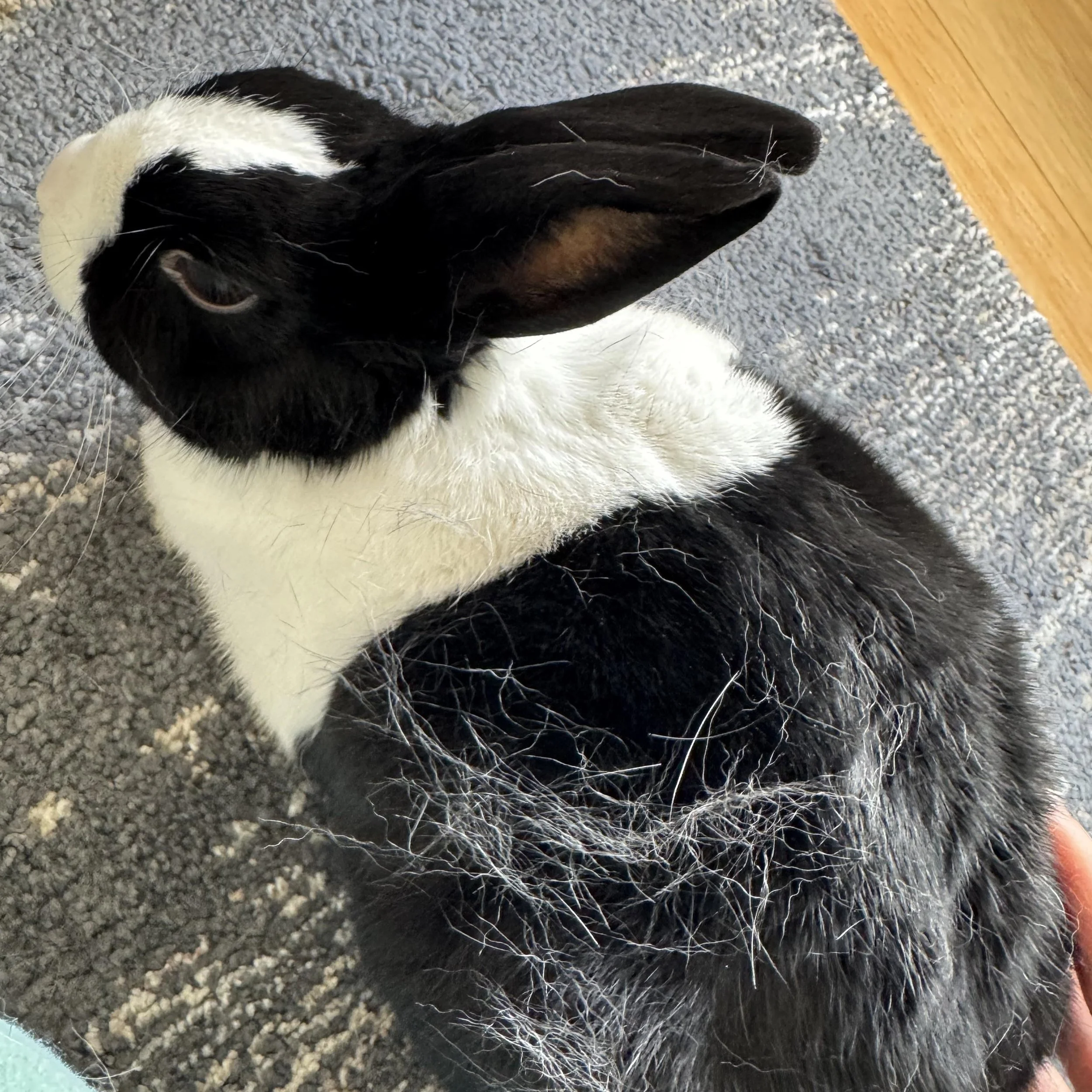
Showing Ungroomed Rabbits
When judging, do you take into consideration and fault a rabbit that is ungroomed, for example one that has long toenails, yellow feet and/or a dirty coat?
Written in the 2006 July/Aug/Sept issue of the Dutch Reporter